Paul Revere: The Man Who Made Old North Famous
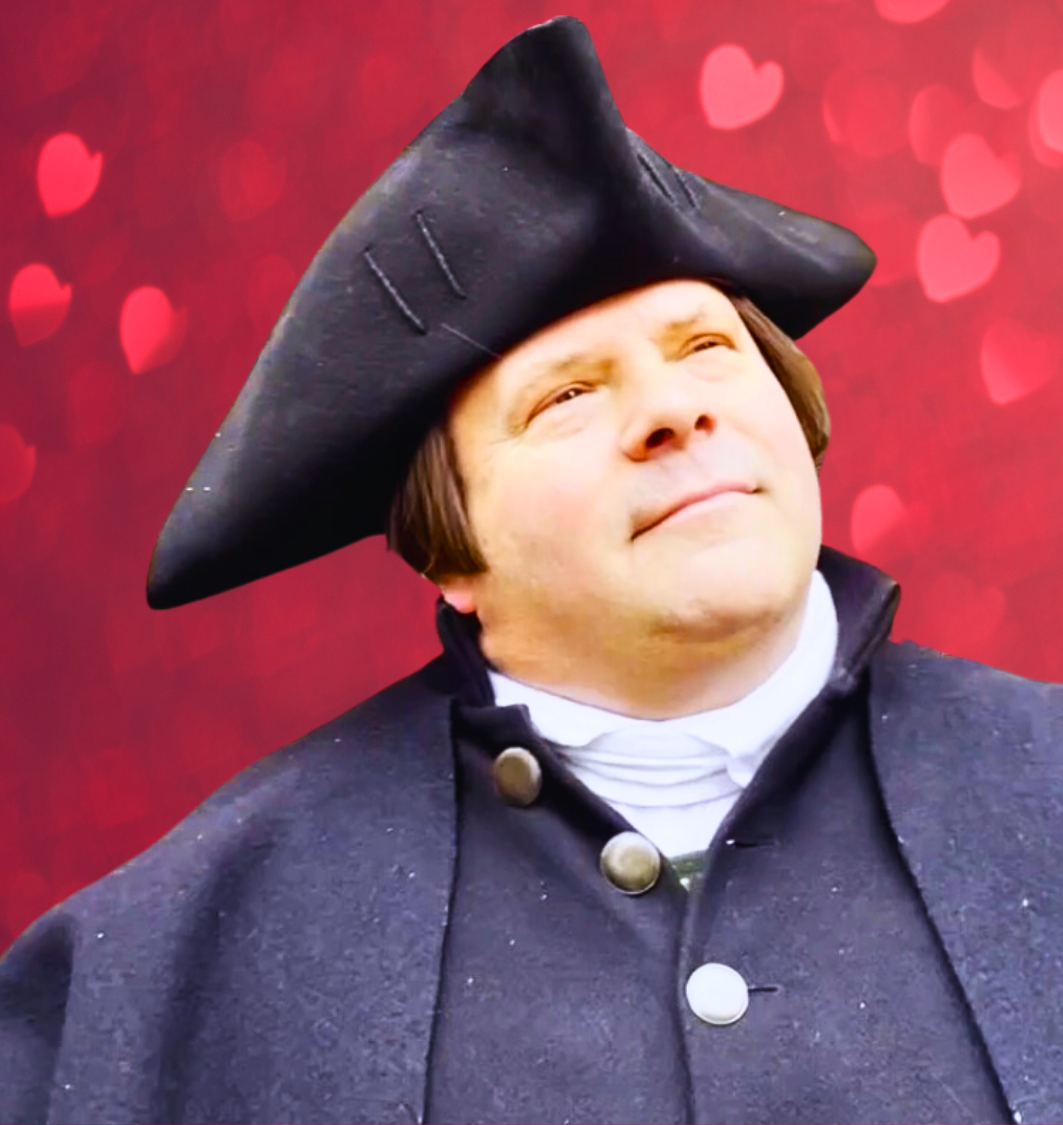
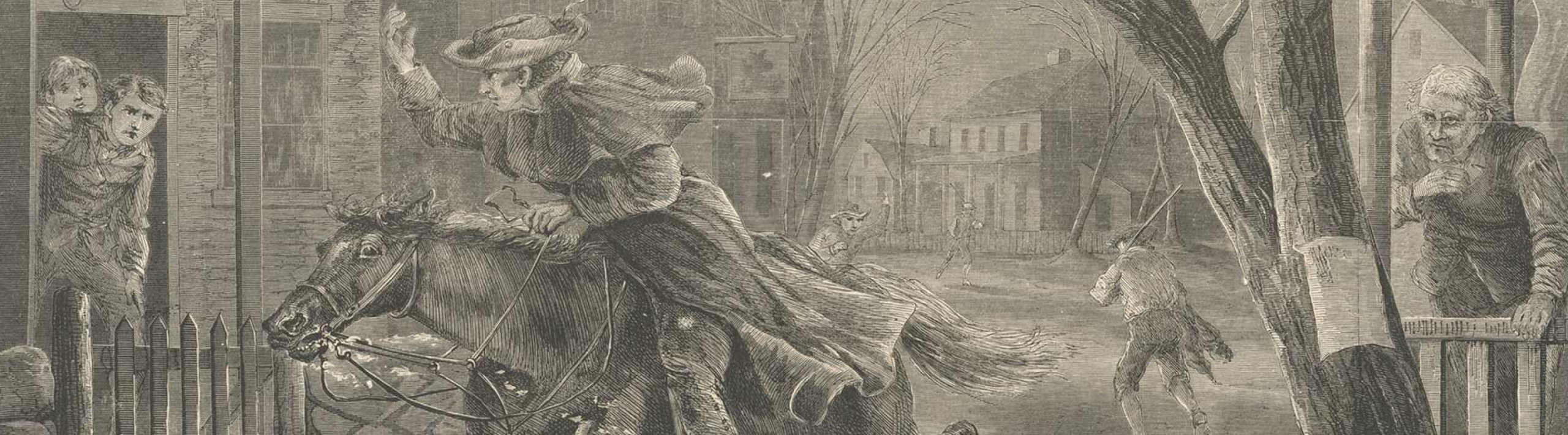
Although he did not worship at Old North, Paul Revere is inextricably linked with the church. As a teenager, Revere was employed as a bellringer at Old North — a job that made him intimately acquainted with the church’s towering steeple. On the night of April 18, 1775, when British soldiers left Boston to seize gunpowder hidden by American colonists in the town of Concord, Revere knew just the place to send a warning to his fellow Patriots. He asked his allies at the church to shine a coded message from the steeple. Two lanterns signaled that the British soldiers were heading across the Charles River, the shorter of the two routes to Concord. That night, Paul Revere and his associates rode on horseback through the countryside to warn local militias that the British soldiers were on their way. Seeing the signal lanterns from Old North’s steeple, over thirty riders raced to alert townspeople. Local militias met the British soldiers in Lexington and later Concord, the first battles of the Revolutionary War.
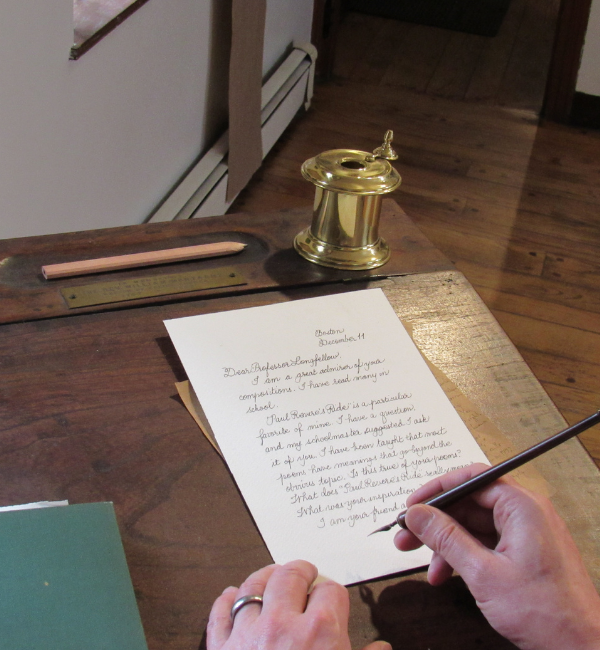
Interpreting Longfellow’s “Paul Revere’s Ride”
It’s hard to believe that Old North Church did not become a national symbol for freedom and liberty until abolitionist and poet Henry Wadsworth Longfellow immortalized it and Paul Revere in his famous poem. Written in 1860, 85 years after the lanterns were placed in Old North’s steeple, “Paul Revere’s Ride” was intended to rally the North for the Union cause as the nation was on the precipice of civil war.
In order to do this, Longfellow took some poetic license and included several historical inaccuracies in the poem. Rather than a signal from Paul Revere, the “two if by sea” lanterns became a signal to Paul Revere. While many riders set out to spread the alarm on April 18, 1775, Longfellow portrayed Revere as a singular hero — illustrating how one person’s actions could change the course of history. Longfellow’s poem should not be viewed as a faithful retelling of history but rather as a work of art designed to inspire.
More About Paul Revere and Old North