Event Category: Special Series
-

Black Women and Children in the Archival Records of the Old North Church, 1723 – 1800
As Dr. Jaimie Crumley, the Old North Foundation’s new Research Fellow, explained, there were two versions of the research question for this talk. The polite version was, “How and where are Black women’s and children’s stories found in the historical records of the Old North Church from 1723-1800?” The more honest version was, “What do…
-
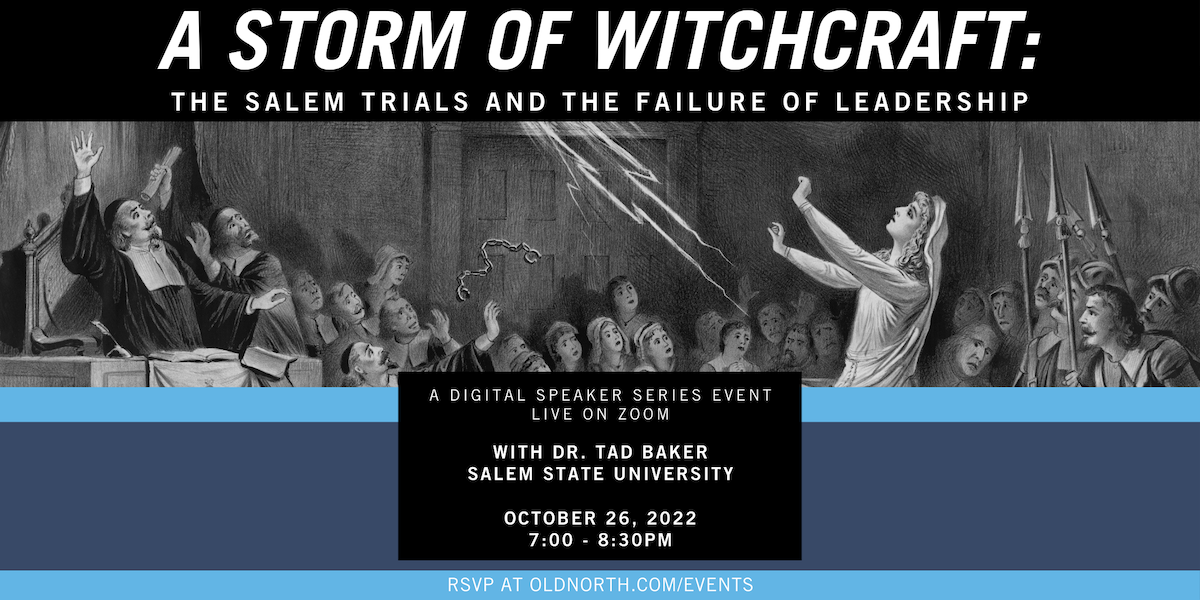
A Storm of Witchcraft: The Salem Trials and the Failure of Leadership
The 1692 Salem trials are infamous for being the greatest witch hunt in American history. What led to these disastrous events? As Dr. Tad Baker explained, it took a perfect storm of factors, including religious discord, political factionalism, the worst weather of the century, and an abject failure of leadership. In this talk, Dr. Baker…
-
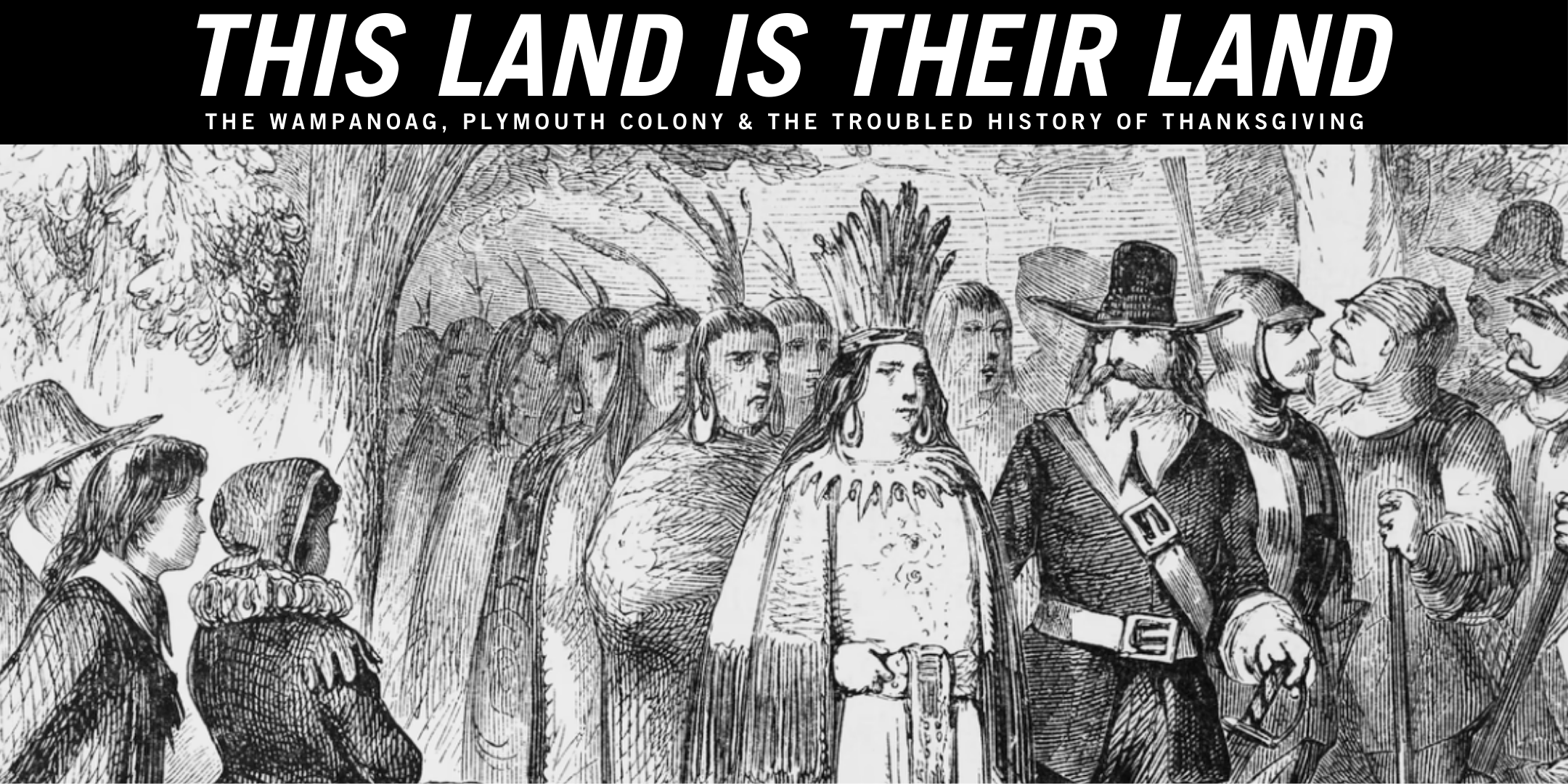
This Land is Their Land: The Wampanoag, Plymouth Colony & The Troubled History of Thanksgiving
In the familiar American account of the first Thanksgiving, the Pilgrims who settled in Plymouth were pious English refugees fleeing the tyranny of the Old World. They encountered “friendly Indians,” led by Chief Massasoit, who took pity on the bedraggled strangers, taught them how to plant corn and where to fish, and thereby helped them…
-
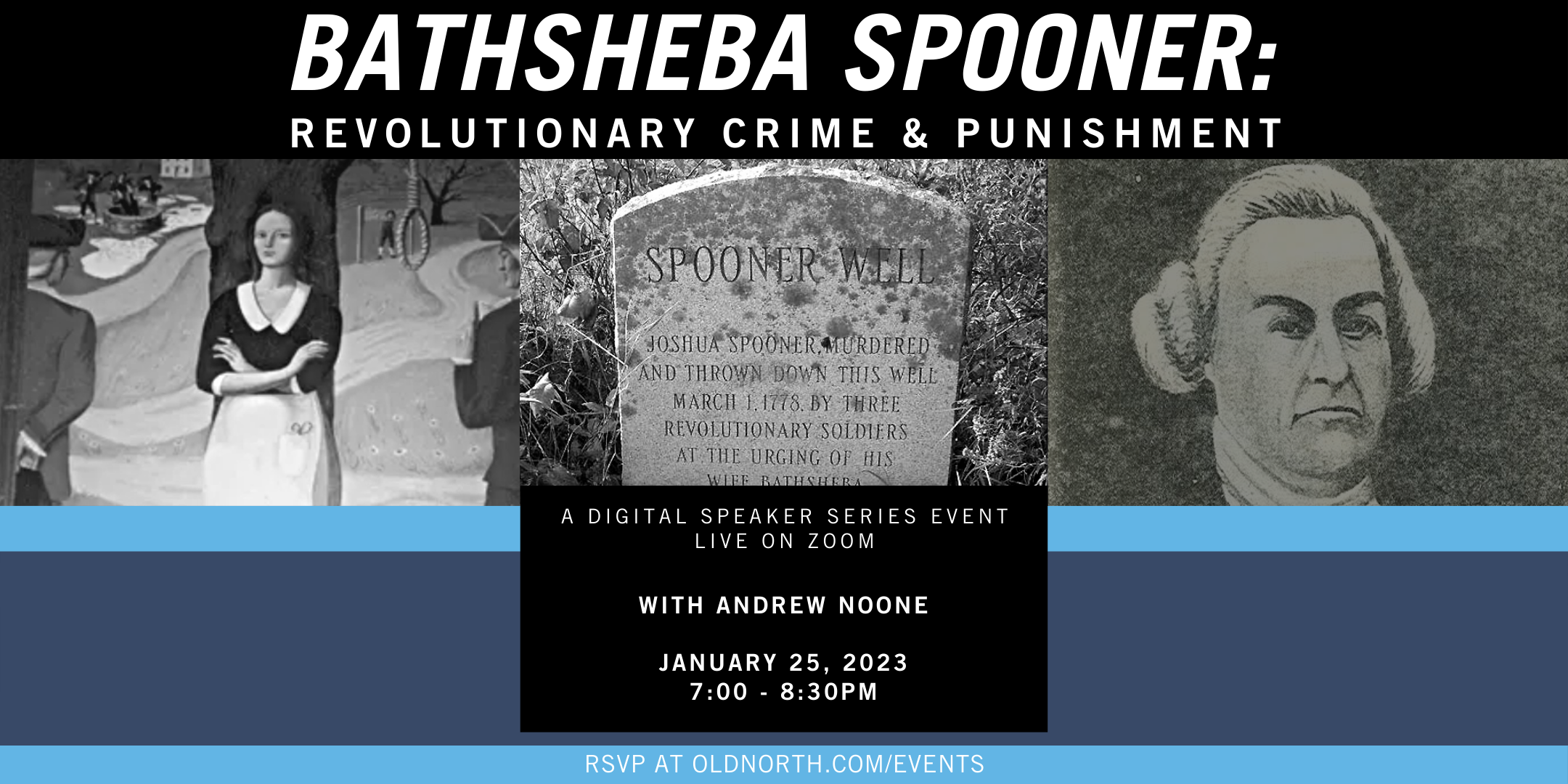
Bathsheba Spooner: Revolutionary Crime & Punishment
In the midst of the American Revolution, a sensational “true crime” story shocked the people of Worcester, MA. Bathsheba Ruggles Spooner, the daughter of prominent Loyalist Timothy Ruggles, was convicted of conspiring with American and British soldiers to murder her husband. For this crime, she was hanged before a crowd of 5,000 spectators — despite…
-

Black Spaces in White Worlds: Prince Hall Freemasonry, Emancipation and the Contingencies of Empire
As Americans weathered the turbulent days of the Revolutionary War and early republic, African Americans carved out their own religious and political spaces in the new nation. In this talk, Dr. Chernoh Sesay of DePaul University explored how enslaved and marginalized people of African descent fashioned community in unexpected places and played pivotal roles in…
-

Remembering Black and Indigenous Peoples in New England’s Religious History
Much ink has been spilled writing about Southern New England’s cultures, religions, and history. However, those writings have largely excluded Black and Indigenous New Englanders. Historians and literary theorists who study Black and Indigenous New Englanders have argued that our studies of eighteenth-century New England must include the stories of Black (people of African descent)…
-

Psalters and Singers: Early Sacred Music at Old North Church
When Old North Church opened its doors in 1723, it fanned the flames of a growing religious controversy over sacred singing. While Old North was Boston’s second Anglican Church, Massachusetts was dominated by Congregationalists who had strict rules about what type of music was appropriate for worship. Old North’s massive new presence in Boston’s North…
-

“This Perilous Hour of Trial, Horror & Distress”: Loyalist Exile and Return in Revolutionary Massachusetts
Between April 1775 and the early months of 1783, more than 75,000 colonists fled the upheaval of the Revolution for the protection of the British Empire. Nearly half of these refugees, including many New Englanders, landed on the rocky shores of Nova Scotia. The most prominent of these exiles called themselves “loyalists,” a label they…
-

Their Chosen Faith: Northern Women of Color in the 19th-Century Episcopal Church
In Dr. Jaimie Crumley’s Fall 2022 Speaker Series talk, she argued that the women of African descent who participated in Episcopal Churches during the British Colonial Period (roughly 1607-1783) primarily joined the church because of mixed feelings of desire and coercion. However, in this talk, Dr. Crumley demonstrated that the dynamic between women of African descent…
-
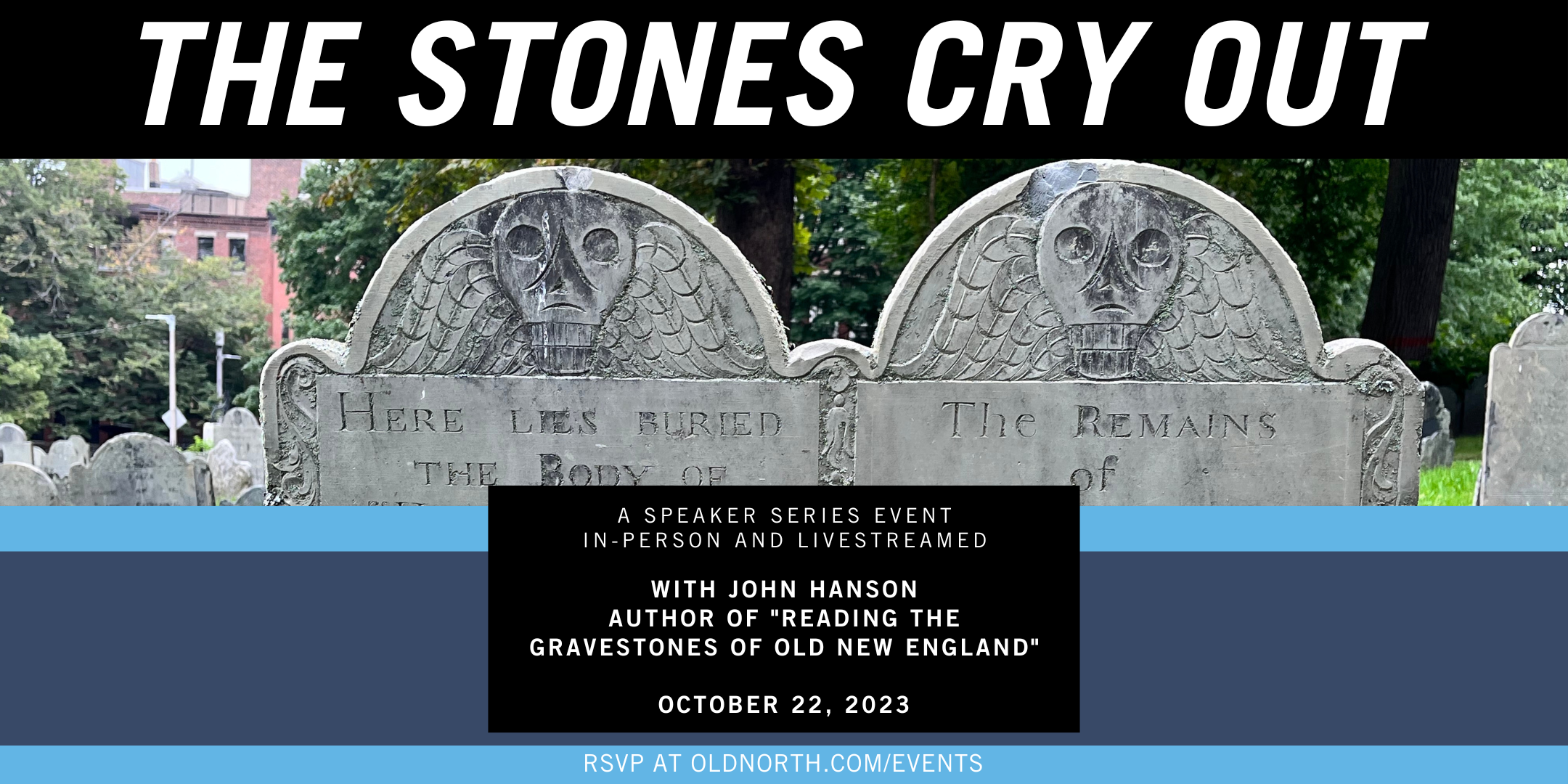
The Stones Cry Out
Many people visit Boston’s historic burying grounds to see the monuments of historical figures like Samuel Adams, Paul Revere, John Hancock, Crispus Attucks, Samuel Sewall, Prince Hall, and Cotton Mather. But few pause to read the inscriptions on the stones of other early “every day” Bostonians, whose names and lives are now long forgotten. For…